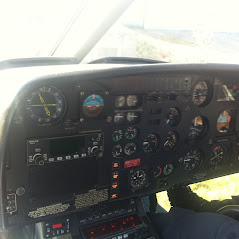
Armchair flying is deliberate rehearsal: you sit still and run the whole sortie in your head, out loud where it helps, as if the aircraft is real. No peeking at the manual mid-flow. That comes after, when you debrief what you missed.
It costs nothing. It cuts wasted airborne time. For PPL, hour building, and most single-pilot training, your imagination is enough: picture the cockpit, move your hands if it helps, and run the flow. You do not need a cardboard mock-up until you are on a complex, multi-crew type after you qualify.
Before every lesson
Block about an hour at home before a flight lesson. Use a chair, the bath, or a walk if that keeps you focused. Walk through everything you expect to do: startup, taxi, the exercise, radio calls (messy is fine), shutdown, and the final checklist off by heart.
When the mental flight is done, open your notes and fix the gaps. As you progress, fold in emergencies and procedures you have already practiced in the aircraft.
From CPL onwards, this habit is how you pass skill tests in minimum hours. Minimum hours means minimum cost. That is the point.
Navigation and cross-country prep
Time in the air is money. For nav exercises, mark your chart properly first: route in black, hazards and high ground in red, drift lines in green, VRPs in blue. Build or buy a pilot log (PLOG), laminate a home-made strip if you like, and scribble on it with fine markers. A whiteboard marker works as an eraser on lamination.
Then armchair-fly the whole trip in real time: every radio call, check, checklist, and lookout. Add diversion and wind-correction drills in your head. Check NOTAMs for the real flight; brief them in the armchair session too.
Different instructors teach different techniques. Try theirs, note what worked, and keep what fits you. Trevor Thom's Navigation is a solid shelf reference; buy a current edition because procedures change.
Complex aircraft after you qualify
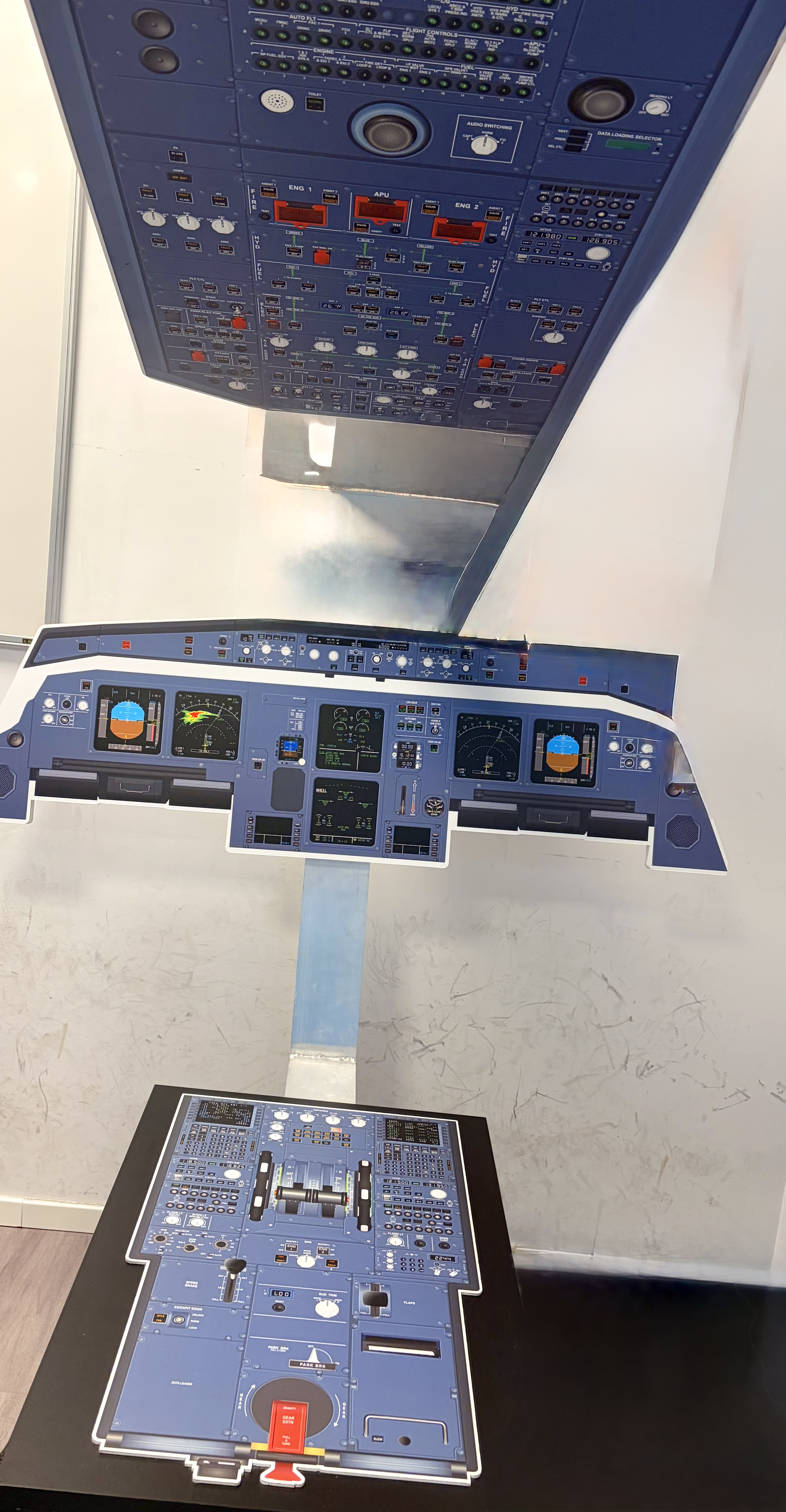
Once you are heading into MCC, type rating, or line training on a complex aircraft, a printed flight deck poster at home can help. Some crews call it a cardboard bomber. Set it up somewhere quiet, sit on the right, put your hand on the switch or knob, speak flows and triggers, then run the checklist that backs them up. That is when muscle memory for panel layout starts to matter. Before then, stay with imagination and your club aircraft.
Learning normal flows early frees brain space for emergencies later. You can resell the poster when you are done. Company SOPs belong to your employer; only use material you are allowed to have.
Cessna 152 cockpit poster at Pooleys. 5% off with code PTMPILOT at checkout (same PTM voucher as on Pilot deals).
Where it fits your path
Armchair flying runs from first PPL hours through MCC, JOC, and recurrent sim prep. Pair it with Steps for milestones, GA Brief for pre-flight discipline, and club time for the real muscle memory.
Keep studying and armchair flying even when progress feels slow. Nothing worth achieving comes without challenge.