PLATE 01 · HOW WE BRIEF
Brief like the line
Must know
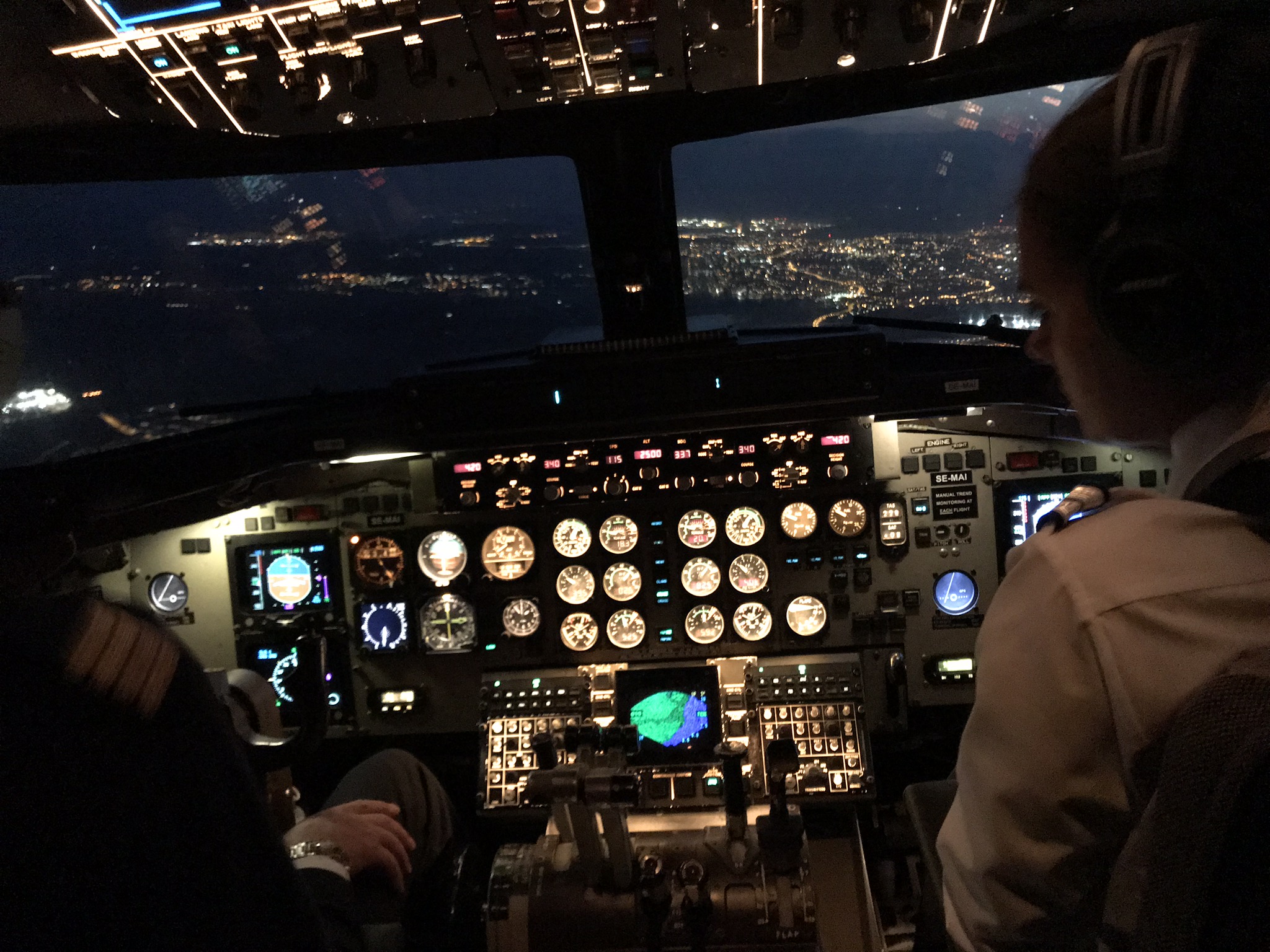
Airline crews brief threats first, then the plan. Borrow that habit from lesson one: weather, NOTAMs, airspace, fuel, alternate, and who does what. Keep it short. Say it out loud.
Source: The Skyway Code. UK Civil Aviation Authority. CAA GA safety topics page · Version 4 (November 2023) notes a revised Safer Flying chapter covering threat and error management and decision making. Reviewed 2026-09-08. Open source
Tidbit
The Skyway Code is the CAA’s pocket guide to private flying rules, regs, and practical best practice. Read it before you invent your own checklist culture.
Source: The Skyway Code. UK Civil Aviation Authority. Landing page: Guide to private flying rules, regulations and best practice. Reviewed 2026-09-08. Open source
Fun fact
Airline briefings often end with “What do you think are the threats and potential errors?” Say it in the clubhouse too. That is how you find the gaps before they find you.

PLATE 02 · BEFORE YOU LEAVE HOME
Weather, NOTAMs, AIS
Must know
UK aeronautical information (AIP, NOTAM briefing, charts, circulars) comes through NATS AIS. Learn narrow-route and saved briefs so you are not scrolling the whole FIR every time.
To support the requirement of NOTAM being checked before every flight, the UK Aeronautical Information Services provided by NATS offers a range of briefing options
Source: Notices to Aviation (NOTAM). UK CAA Infringement Tutorial. Tutorial section on NATS AIS briefing options (Aerodrome, Area, Route, Narrow Route, Point Brief). Reviewed 2026-09-08. Open source
Must know
Use regulated Met Office aviation products for the UK. As of 2026 the Met Office Aeronautical Visualisation Service (MAVIS) is the integrated platform; legacy Aviation Briefing Service users should transition.
Source: New Met Office visualisation service. UK CAA Skywise. Alert: MAVIS operational; legacy Met Office aviation services retire 24 March 2026. Reviewed 2026-09-08. Open source
Tidbit
NATS AIS home for AIP, NOTAM, and digital datasets:
Source: UK Aeronautical Information Service. NATS. AIS home. Reviewed 2026-09-08. Open source

PLATE 03 · RULES THAT KEEP YOU LEGAL
Licence, medical, private flying code
Must know
Licensing, exams, and medical requirements live on the CAA’s pilot licences pages. Do not guess Class 1 vs Class 2 vs Pilot Medical Declaration from clubhouse lore.
Source: Pilot licences. UK Civil Aviation Authority. CAA General Aviation · Pilot licences hub. Reviewed 2026-09-08. Open source
Must know
Medical rules change. Read the current CAA medical guidance before you book an AME or rely on a declaration.
Source: Medical requirements for pilots. UK Civil Aviation Authority. CAA General Aviation · Pilot licences · Medical requirements for pilots. Reviewed 2026-09-08. Open source
Tidbit
The Skyway Code packages key operating and airspace regs for private pilots in one place. Use it beside the AIP, not instead of it.
Source: The Skyway Code. UK Civil Aviation Authority. Contents include pre-flight checks, key operating regulations, airspace regulations, UK ATS. Reviewed 2026-09-08. Open source
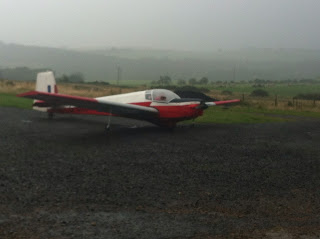
PLATE 04 · LEARNING TO FLY
Start with the CAA path
Must know
The CAA Learning to fly pages cover PPL guidance, medical requirements, skills tests, and how to find training organisations. Read them before you hand over cash for a full course.
Source: Learning to fly. UK Civil Aviation Authority. CAA General Aviation · Learning to fly. Reviewed 2026-09-08. Open source
Tidbit
Approved and Declared Training Organisations (ATO / DTO) both train licences. Visit schools, ask hard questions, and use the CAA finding-a-school guidance before you commit.
Source: Finding a flight school or examiner. UK Civil Aviation Authority. CAA Learning to fly · Finding a flight school or examiner · ATO vs DTO. Reviewed 2026-09-08. Open source
Try this
Find a club near you, then confirm it is the right organisation for your licence path.
PLATE 05 · UK AIR TRAFFIC SERVICES
Ask for the right FIS
Must know
Outside controlled airspace, the UK Flight Information Services in CAP 774 are the ATS suite you request: Basic, Traffic, Deconfliction (IFR), and Procedural (IFR). You choose the service for the phase of flight.
A pilot shall determine the appropriate ATS for the various phases and conditions of flight and request that ATS from the controller/FISO.
Source: CAP 774: UK Flight Information Services. UK Civil Aviation Authority. CAP 774 Fourth Edition · paragraph 1.9 · pilot requests the ATS. Reviewed 2026-09-08. Open source
Must know
A Basic Service is advice and information. It is not traffic monitoring. Lookout stays yours.
A Basic Service is an ATS provided for the purpose of giving advice and information useful for the safe and efficient conduct of flights. This may include weather information, changes of serviceability of facilities, conditions at aerodromes, general airspace activity information, and any other information likely to affect safety. The avoidance of other traffic is solely the pilot’s responsibility.
Source: CAP 774: UK Flight Information Services. UK Civil Aviation Authority. CAP 774 · Basic Service · paragraphs 2.1–2.2. Reviewed 2026-09-08. Open source
Tidbit
Listening on an FMC is not the same as taking a FIS. If you want traffic information, ask for Traffic Service (or the service that fits your flight rules) and get two-way contact.
Source: CAP 774: UK Flight Information Services. UK Civil Aviation Authority. CAP 774 · suite of ATS in class G (and notified elements in class E). Reviewed 2026-09-08. Open source
Tidbit
Skyway Code v4 also flags UK FIS frequencies and use of the VHF Low Level Frequency. Check the current Skyway Code and AIP for the frequency and when it applies.
Source: The Skyway Code. UK Civil Aviation Authority. Version 4 (November 2023) updates · UK FIS frequencies and VHF Low Level Frequency. Reviewed 2026-09-08. Open source

PLATE 06 · AIRSPACE AND LISTENING
Squawks and listening codes
Must know
A squawk is the four-digit Mode A code your SSR transponder replies with so radar (and TCAS/ACAS on other aircraft) can identify you. Mode C/S also reports altitude. ATC may assign a discrete code, or you use a published conspicuity code when flying VFR/IFR without a specific assignment.
Source: Frequency Monitoring Codes. UK CAA Infringement Tutorial. Explains conspicuity 7000 (VFR) / 2000 (IFR) versus Frequency Monitoring Codes. Reviewed 2026-09-08. Open source
Must know
Near controlled airspace, when you are not already taking a UK FIS, a Frequency Monitoring Code (listening squawk) tells the unit you are already on their frequency so they can call you fast if an infringement is developing.
Rather than squawking conspicuity (7000 for VFR or 2000 for IFR), you are encouraged to select the most relevant Frequency Monitoring Code (FMC), colloquially known as a Listening Squawk, of the appropriate ATSU to indicate that you are monitoring that unit’s frequency.
Source: Frequency Monitoring Codes. UK CAA Infringement Tutorial. Frequency Monitoring Codes tutorial · listening squawk definition and purpose. Reviewed 2026-09-08. Open source
Must know
An FMC is not a clearance and not an air traffic service.
Whilst you will not be in receipt of any service under UK FIS, the use of an FMC helps in preventing and mitigating the consequences of airspace infringements for both you and ATC. This works by allowing the ATSU to be aware that you are on its frequency and enables it to quickly contact you if you are infringing (or are likely to infringe if capacity permits) CAS thereby allowing an actual or potential infringement efficiently to be resolved quickly and before it becomes a more serious incident.
Source: Frequency Monitoring Codes. UK CAA Infringement Tutorial. Paragraph on infringement prevention / mitigation via FMC. Reviewed 2026-09-08. Open source
Must know
Select the frequency and check volume before you select the code. Leave the area or change frequency: return to conspicuity (or another applicable code).
Listen out on the appropriate frequency and set your transponder to the corresponding listening squawk. A squawk does not imply that you are receiving an air traffic service, nor that you are cleared to enter controlled airspace. When you leave the area or change frequency, select the SSR transponder code appropriate to your flight rules, 7000 for VFR or 2000 for IFR (squawk conspicuity).
Source: Frequency Monitoring Codes - Listening Squawks. Airspace Safety Initiative. ASI printable listening-squawk card guidance text. Reviewed 2026-09-08. Open source
Tidbit
Current codes, frequencies, and the yellow AIC live via NATS AIS / UK AIP ENR 1.6 and ENR 6.80. Codes change. Check before flight.
Source: THE USE OF FREQUENCY MONITORING CODES IN THE UNITED KINGDOM FLIGHT INFORMATION REGIONS. NATS / UK AIP (Aeronautical Information Circular). Yellow AIC series on FMC use · UK AIP ENR 1.6 and ENR 6.80 referenced. Reviewed 2026-09-08. Open source
Fun fact
Controllers still report aircraft on an FMC with the radio volume wound down. If nobody can hear the call, the listening squawk did nothing.
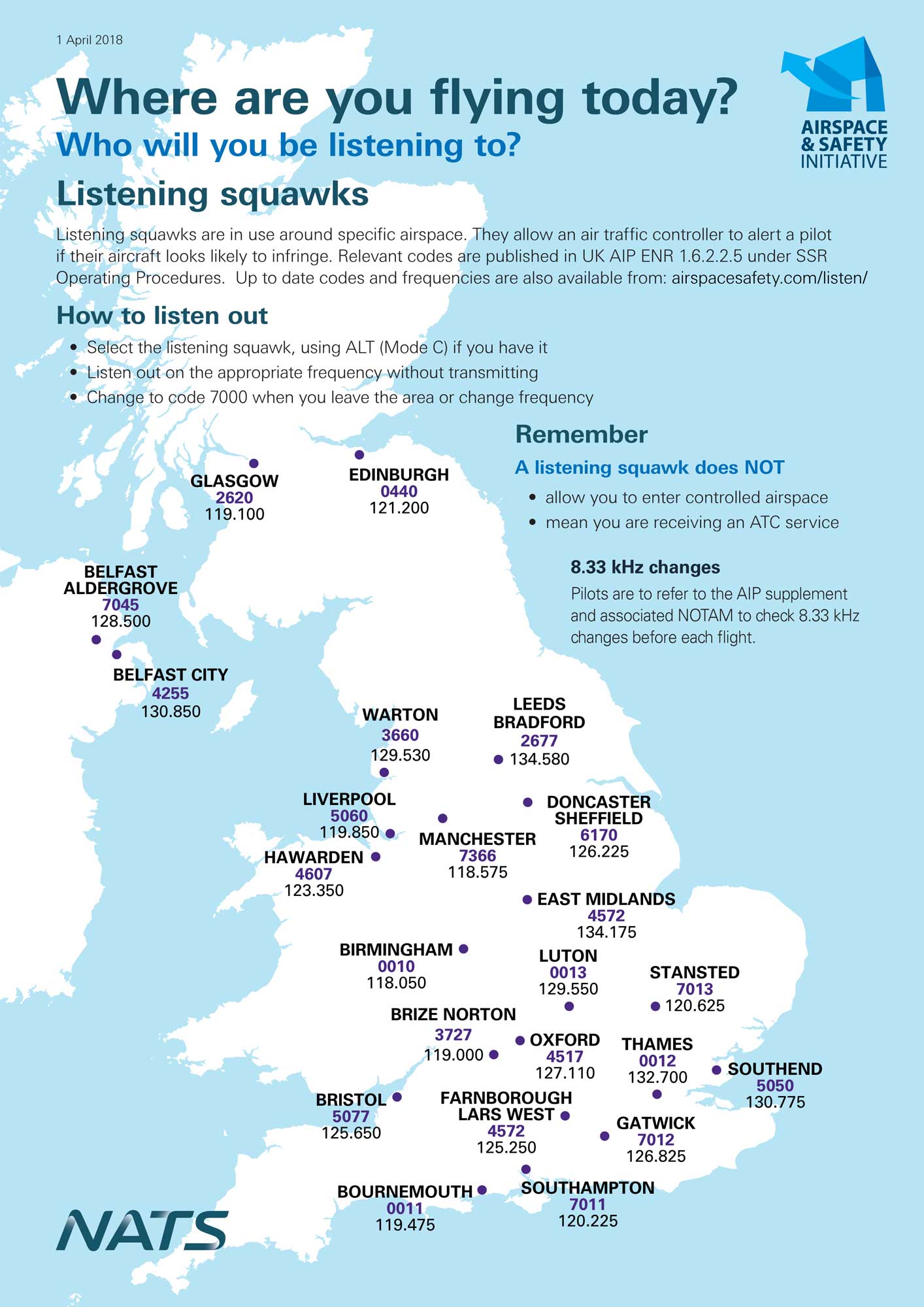

PLATE 07 · CROSSING CONTROLLED AIRSPACE
Transit or Take 2
Must know
Controlled airspace is not a wall. If a transit helps you, request it. Make notes for your initial call and practice out loud before you hit transmit. Always have a plan B for if the unit says no.
Controlled airspace (CAS) should not be seen as something to automatically avoid. If advantageous to do so, request an appropriate transit. The most common category of controlled airspace in the UK is class D, although you may also encounter some class C and E. Know the applicable rules and procedures. Always have a ‘plan B’ should a transit not be available.
Source: Flight under Visual Flight Rules (planning guidance). UK Civil Aviation Authority. CAA publication download · controlled airspace transit and plan B. Reviewed 2026-09-08. Open source
Must know
If you intend to remain clear, build a buffer. The CAA’s Take 2 habit is 2 NM laterally or 200 ft vertically from the edge or base when you can.
If not intending to transit CAS, fly an appropriate margin from the edge – the CAA recommend ‘Take 2’ (2 NM horizontally or 200 ft vertically). The margin will reduce the risk of infringement should you be distracted or encounter turbulence.
Source: Flight under Visual Flight Rules (planning guidance). UK Civil Aviation Authority. CAA publication download · Take 2 margin. Reviewed 2026-09-08. Open source
Must know
The infringement tutorial spells out the same Take 2 numbers for route planning and TEM.
When able, Take 2 by planning to remain 2NM laterally or 200 feet vertically clear of the edge/base of controlled airspace in order to reduce the consequences of turbulence, distraction or external influences.
Source: Route Planning. UK CAA Infringement Tutorial. Take 2 planning paragraph. Reviewed 2026-09-08. Open source

PLATE 08 · SEE AND BE SEEN
Lookout, mid-air, conspicuity
Must know
Lookout is still the primary mid-air defence. Use Safety Sense Leaflet 13 for collision-avoidance scan and rules-of-the-air habits.
Source: Safety Sense Leaflet 13: Collision Avoidance. UK Civil Aviation Authority. CAA publications · Safety Sense Leaflet 13. Reviewed 2026-09-08. Open source
Must know
Electronic Conspicuity (EC) helps others detect you and helps you detect them. It strengthens see-and-avoid. It does not replace lookout.
Electronic Conspicuity (EC) is an umbrella term for the technology that can help pilots, unmanned aircraft users and air traffic services be more aware of what is operating in surrounding airspace. … EC strengthens the fundamental safety principle of ‘see and avoid’ by adding the ability to ‘detect and be detected’.
Source: Electronic conspicuity devices. UK Civil Aviation Authority. CAA General Aviation · Aircraft ownership and maintenance · Electronic conspicuity devices. Reviewed 2026-09-08. Open source
Tidbit
CAP 1391 is the technical/self-declaration path for voluntary EC devices when you are not carrying a full SSR transponder requirement.
Source: CAP1391: Electronic Conspicuity devices. UK Civil Aviation Authority. CAP 1391 publication page. Reviewed 2026-09-08. Open source
Tidbit
Clued Up mid-air guidance also pushes LARS listening, FMCs where available, and EC as extras beside lookout.
Source: Clued Up GA Update: Mid-Air Collisions. UK Civil Aviation Authority. Clued Up GA Update PDF · mid-air collisions tips. Reviewed 2026-09-08. Open source
PLATE 09 · GA AIRSPACE ACTIVITY
Gliding, parachutes, and friends
Must know
Recreational airspace use is not only CAS. Brief gliding, hang-gliding, parachuting, kites, and other notified activity before you set off.
Source: GA Airspace. UK Civil Aviation Authority. CAA General Aviation · GA Airspace · notifications for recreational airspace use. Reviewed 2026-09-08. Open source
Tidbit
Winch cables are nearly invisible. The CAA’s flying-over-gliding-sites guidance: avoid active sites unless the club confirms they are quiet.
Source: Flying over gliding sites. UK Civil Aviation Authority. CAA Safety topics · Flying over gliding sites. Reviewed 2026-09-08. Open source
Tidbit
Your NOTAM brief is where temporary activity shows up. If a NOTAM is unclear, the infringement tutorial reminds you many include a phone number. Call before you guess.
Source: Lessons identified. UK CAA Infringement Tutorial. NOTAM brief failures and contact numbers. Reviewed 2026-09-08. Open source
Fun fact
A silent glider does not squawk for your convenience. Eyes out, then electronics.
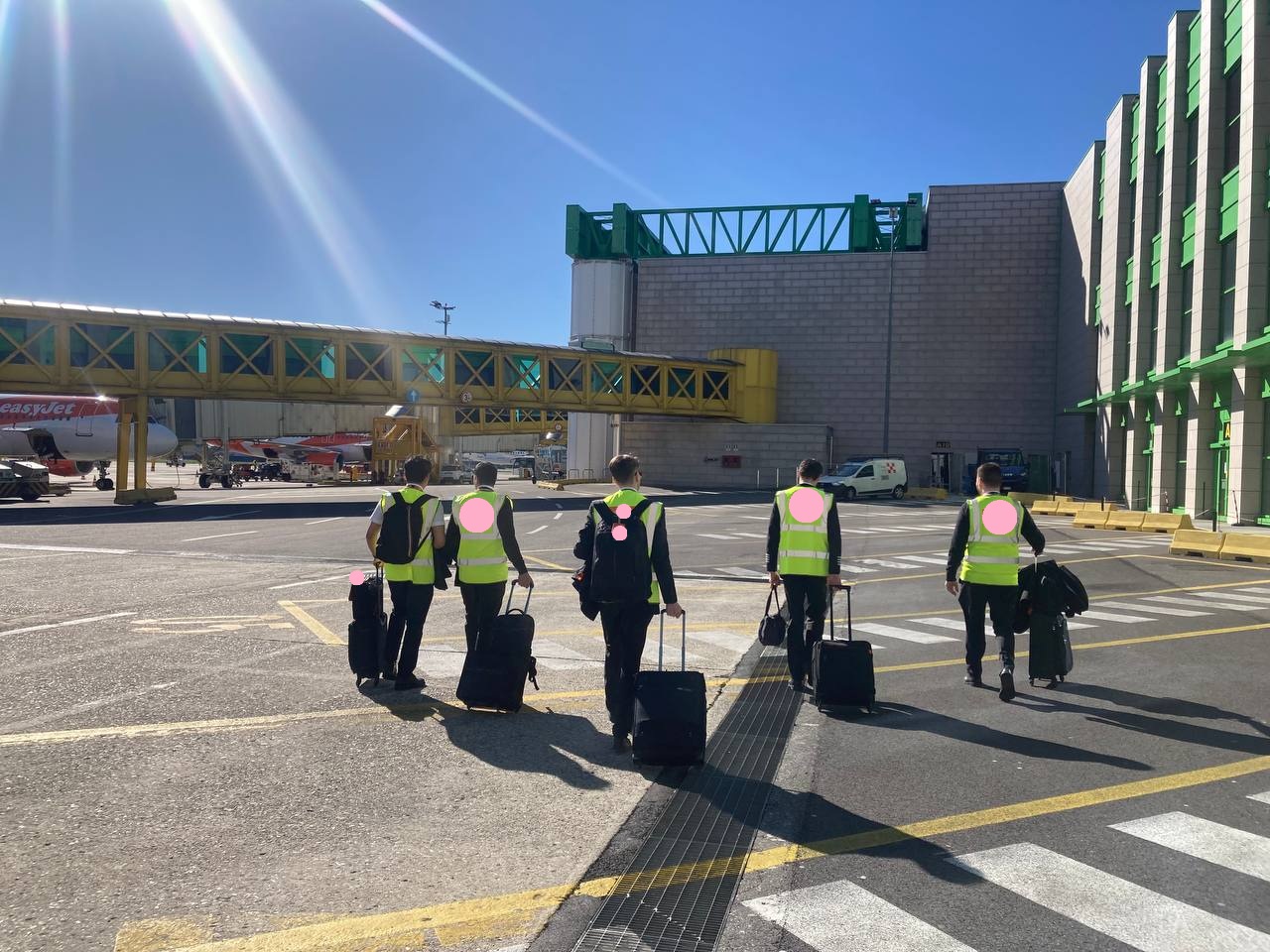
PLATE 10 · AERODROME AND CIRCUIT
Busy sky near the club
Must know
Mid-air risk peaks near GA airfields with no radar. Plan the join, be ready to go around, and refresh aerodrome sense before a fly-in.
Source: Clued Up GA Update: Mid-Air Collisions. UK Civil Aviation Authority. Airfields section · circuit workload and Safety Sense aerodrome leaflet pointer. Reviewed 2026-09-08. Open source
Tidbit
Skyway Code includes an aerodromes operations chapter. Read the local AIP entry and PPR notes before you point at someone else’s circuit.
Source: The Skyway Code. UK Civil Aviation Authority. Contents include aerodromes operations. Reviewed 2026-09-08. Open source
Money saver
A go-around costs fuel. A mid-air costs everything. Brief the go-around as normal, not as failure.
PLATE 11 · AT THE AIRCRAFT
Walk-round, fuel, performance
Must know
Fuel grade, quantity, and quality are non-negotiable. The CAA Safety Sense leaflet on fuel handling covers dispensing, sampling, and storage for light aircraft.
Source: Safety Sense Leaflet 28: Fuel Handling and Storage. UK Civil Aviation Authority. Safety Sense leaflets index · Leaflet 28. Reviewed 2026-09-08. Open source
Tidbit
Armchair-fly the departure and arrival before you start. Crosswind and drift are skills you can rehearse on the ground.
Money saver
A careful walk-round finds fuel-cap and control-lock stories before they become expensive hangar tales.
PLATE 12 · YOU, SEASON, AND PAX
Health, CO, winter, passengers
Must know
Pilot health and performance are part of the brief. Fatigue, cold, dehydration, and medication all change the flight.
Source: Pilot Health and Performance Safety Sense Leaflet. UK Civil Aviation Authority. Safety Sense · Pilot Health and Performance PDF. Reviewed 2026-09-08. Open source
Must know
Carbon monoxide from piston exhausts is colourless and odourless. Use an active detector and treat heater smells as a threat.
Source: Safety Sense Leaflet 34: Carbon Monoxide Safety. UK Civil Aviation Authority. CAA publications · Safety Sense Leaflet 34. Reviewed 2026-09-08. Open source
Must know
Winter flying adds ice, carb ice, short days, and night. Brief the season before you brief the route.
Source: Winter flying. UK Civil Aviation Authority. CAA General Aviation · GA Flight Operations · Winter flying. Reviewed 2026-09-08. Open source
Tidbit
Flying with passengers has its own Safety Sense leaflet in the current series. Brief them like a mini cabin crew: who talks, who looks, who stays quiet on the radio.
Source: Safety Sense leaflets. UK Civil Aviation Authority. Index notes latest leaflets include flying with passengers. Reviewed 2026-09-08. Open source
PLATE 13 · MONEY AND CLUB CRAFT
Train smart, stay current
Money saver
Spread early hours across seasons. Regulars hear about free maintenance ferry seats and shared cross-countries long before strangers do.
Money saver
Buddy legs: one pays and flies out, the other pays and flies home. Both log PIC for their sector when the rules allow.
Fun fact
Coffee-bar hours count. The club noticeboard still beats most websites for last-minute shares and jobs.
PLATE 14 · KEEP SHARP
Stay current, stay curious
Must know
CAA Safety Sense leaflets are short, practical, and updated. Use them for fuel, passengers, health, winter, and the rest of the GA risk set.
Source: Safety Sense leaflets. UK Civil Aviation Authority. CAA GA safety topics · Safety Sense leaflets index. Reviewed 2026-09-08. Open source
Must know
Stay in Control is the CAA campaign on loss of control in flight. Read it before you treat every approach as routine.
In the seven years from 2018 to 2025 ‘loss of control in flight’ accidents and serious incidents accounted for 10% of all General Aviation (GA) accidents and serious incidents, 38% of all fatal and 19% of all serious injury accidents.
Source: Stay in Control. UK Civil Aviation Authority. CAA General Aviation · Safety topics · Stay in Control. Reviewed 2026-09-08. Open source
Tidbit
Clued Up updates sit under Safety topics. Skim the latest before a busy season.
Source: Safety topics. UK Civil Aviation Authority. CAA General Aviation · Safety topics hub (Clued Up, Safety Sense, Stay in Control). Reviewed 2026-09-08. Open source