
FAA GA Brief
Airline-style briefing habits for US GA. Primary sources are the FAA AIM and official briefing channels. The US does not use UK Frequency Monitoring Codes.
Educational mentoring only. Confirm operational information with the original publisher before flight.
Authority: FAA · Change authority

PLATE 01 · HOW WE BRIEF
Brief like the line
Must know
Threats, weather, NOTAMs, fuel, alternate, runway, who does what. Keep it short and spoken. The AIM assumes you understand your equipment before you need it in anger.
Source: Aeronautical Information Manual § 4-1-20 Transponder and ADS-B Out Operation. Federal Aviation Administration. AIM Chapter 4, Section 1, paragraph 4-1-20(a) · equipment familiarity and altitude reporting. Reviewed 2026-09-07. Open source
Fun fact
“Looks good” is not a brief. Airline captains would send you back to the gate.

PLATE 02 · BEFORE YOU LEAVE HOME
Weather, NOTAMs, briefing
Must know
Use official FAA weather and NOTAM channels (Leidos Flight Service / 1800wxbrief and current FAA publications). Do not brief from a single social-media screenshot.
Source: Leidos Flight Service (1800wxbrief). Leidos / FAA Flight Service. Official pilot briefing portal for weather and NOTAMs. Reviewed 2026-09-07. Open source
Tidbit
The AIM is free online. Bookmark the chapter you fly, not a third-party reprint alone.
Source: Aeronautical Information Manual. Federal Aviation Administration. AIM HTML publications hub. Reviewed 2026-09-07. Open source

PLATE 03 · RULES THAT KEEP YOU LEGAL
Certificate, medical, FAR basics
Must know
Pilot certificates, ratings, and medical certification rules live on FAA.gov. Confirm currency and medical class for the operation you intend.
Source: Become a pilot. Federal Aviation Administration. FAA pilot training and certification hub. Reviewed 2026-09-07. Open source
PLATE 04 · AIRSPACE AND LISTENING
What a squawk is (US)
Must know
A squawk is the Mode 3/A code your transponder (and ADS-B Out) replies with so ATC and traffic systems can identify you. With altitude reporting on (Mode C/S), controllers and TCAS see your altitude band too.
Pilots should be aware that proper application of transponder and ADS-B operating procedures will provide both VFR and IFR aircraft with a higher degree of safety while operating on the ground and airborne. … ADS-B Out, and transponders with altitude reporting mode turned ON (Mode C or S), substantially increase the capability of surveillance systems to see an aircraft.
Source: AIM § 4-1-20 Transponder and ADS-B Out Operation. Federal Aviation Administration. AIM 4-1-20(a) · safety benefit of altitude reporting / ADS-B Out. Reviewed 2026-09-07. Open source
Must know
There is no UK-style listening-squawk (FMC) programme in the NAS. When VFR and not assigned another code, squawk 1200 with altitude reporting on unless ATC says otherwise.
SQUAWK VFR. Operate radar beacon transponder/ADS-B on Code 1200 in the Mode A/3, or other appropriate VFR code, with altitude reporting enabled.
Source: AIM § 4-1-20 Transponder and ADS-B Out Operation. Federal Aviation Administration. AIM 4-1-20 · phraseology SQUAWK VFR / Code 1200. Reviewed 2026-09-07. Open source
Must know
In controlled airspace, operate the transponder on the ATC-assigned code with altitude reporting enabled. Monitoring a frequency without a clearance is still not a clearance into Class B/C/D.
Unless otherwise requested by ATC, aircraft equipped with an ATC transponder maintained in accordance with 14 CFR section 91.413 MUST operate with this equipment on the appropriate Mode 3/A code, or other code as assigned by ATC, and with altitude reporting enabled whenever in controlled airspace.
Source: AIM § 4-1-20 Transponder and ADS-B Out Operation. Federal Aviation Administration. AIM 4-1-20 · operation in controlled airspace. Reviewed 2026-09-07. Open source
Tidbit
Listening to ATIS/AWOS and the tower or approach frequency builds situational awareness. Call when the airspace rules require two-way communication.
PLATE 05 · AT THE AIRCRAFT
Walk-round, fuel, performance
Must know
On the movement area, the AIM expects altitude reporting and ADS-B Out on. Know your panel before pushback.
Civil and military aircraft should operate with the transponder in the altitude reporting mode … and ADS-B Out transmissions enabled at all airports, any time the aircraft is positioned on any portion of the airport movement area.
Source: AIM § 4-1-20 Transponder and ADS-B Out Operation. Federal Aviation Administration. AIM 4-1-20(c) · ground operations on the movement area. Reviewed 2026-09-07. Open source
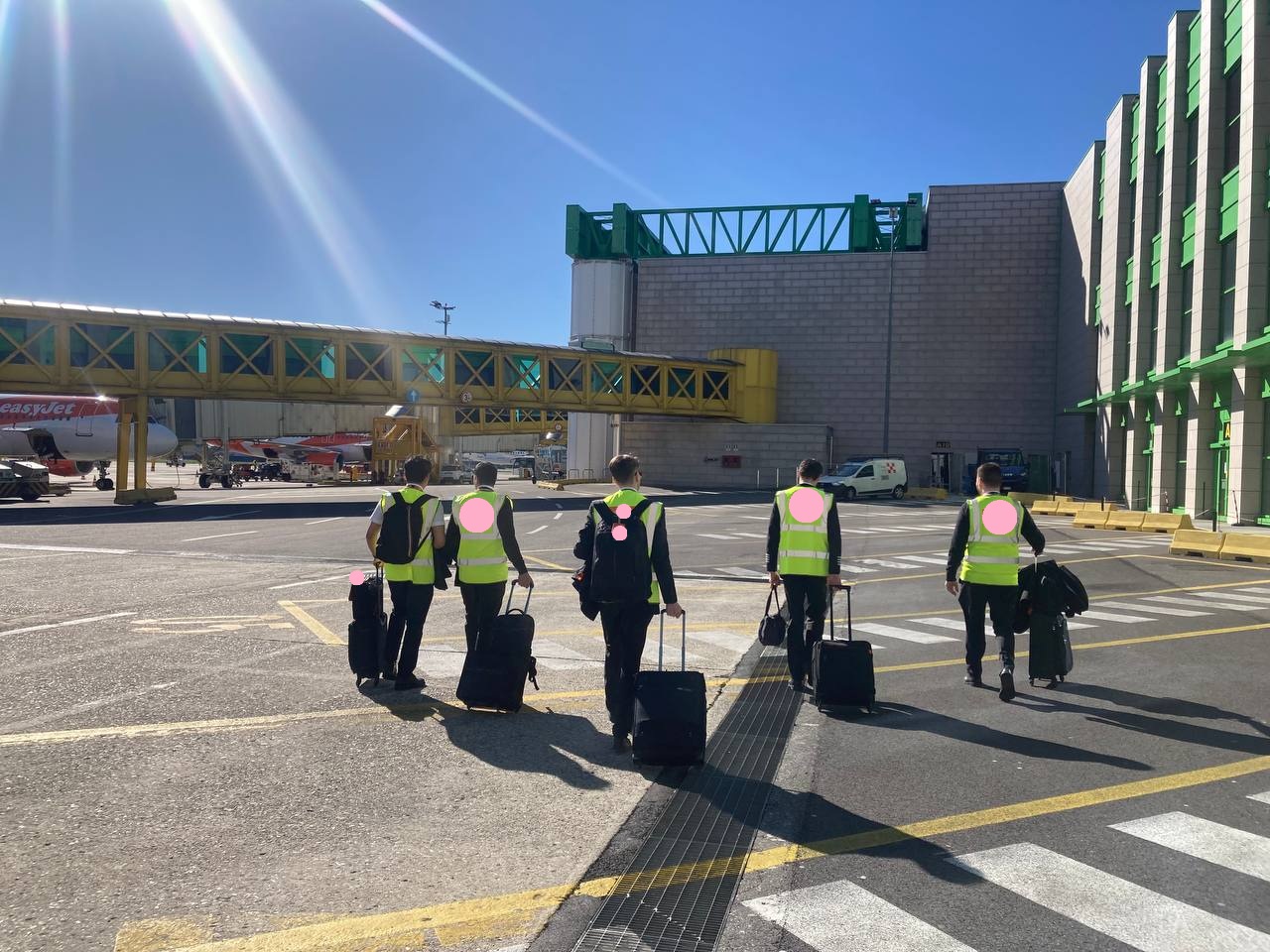
PLATE 06 · MONEY AND CLUB CRAFT
Train smart, stay current
Money saver
Split legs with another rated pilot when the regs and insurance allow. Pay for the leg you fly as PIC.
PLATE 07 · KEEP SHARP
Stay current, stay curious
Must know
Re-read AIM chapters you fly often. Phraseology and ADS-B notes change more often than clubhouse memory.
Source: Aeronautical Information Manual. Federal Aviation Administration. AIM HTML publications. Reviewed 2026-09-07. Open source