Canada GA Brief
Airline-style briefing habits for Canadian GA. Primary sources are Transport Canada and NAV CANADA. Canada does not use UK Frequency Monitoring Codes.
Educational mentoring only. Confirm operational information with the original publisher before flight.
Authority: Canada · Change authority
PLATE 01 · HOW WE BRIEF
Brief like the line
Must know
Threats, weather, NOTAMs, fuel, alternate, who does what. Speak it before start-up. Transport Canada publishes plain-language GA best practices for the bits that save lives.
Source: Turn it on for safety: using transponders on aircraft. Transport Canada. GA best practices · transponder use (TP 2228E-17 companion page). Reviewed 2026-09-07. Open source
Fun fact
If the brief takes longer than the coffee, you are either thorough or lost. Aim for thorough and short.

PLATE 02 · BEFORE YOU LEAVE HOME
Weather, NOTAMs, CFPS
Must know
NAV CANADA Collaborative Flight Planning Services (CFPS) and NC-Spaces carry flight plans, NOTAMs, and most aviation weather tools. Brief from those channels, not a random screenshot.
Source: Flight Planning and Reporting. NAV CANADA. NAV CANADA flight planning page · CFPS / NC-Spaces / weather and NOTAM. Reviewed 2026-09-07. Open source
Tidbit
Direct CFPS entry for planning:
Source: Collaborative Flight Planning Service. NAV CANADA. plan.navcanada.ca. Reviewed 2026-09-07. Open source
PLATE 03 · RULES THAT KEEP YOU LEGAL
Licence, medical, TC AIM
Must know
The Transport Canada Aeronautical Information Manual (TC AIM) is the single-source crew reference for rules and procedures in Canadian airspace.
Source: Flight Planning and Reporting · Aeronautical Information Manual. NAV CANADA / Transport Canada. NAV CANADA flight planning page · TC AIM description and link. Reviewed 2026-09-07. Open source
Tidbit
Licensing and medical details sit with Transport Canada Civil Aviation. Check the current TC pages before you book a medical or checkride.
Source: Civil aviation. Transport Canada. Transport Canada aviation home. Reviewed 2026-09-07. Open source
Try this
Map your Transport Canada route from first lesson toward commercial ratings.
PLATE 04 · AIRSPACE AND LISTENING
What a squawk is (Canada)
Must know
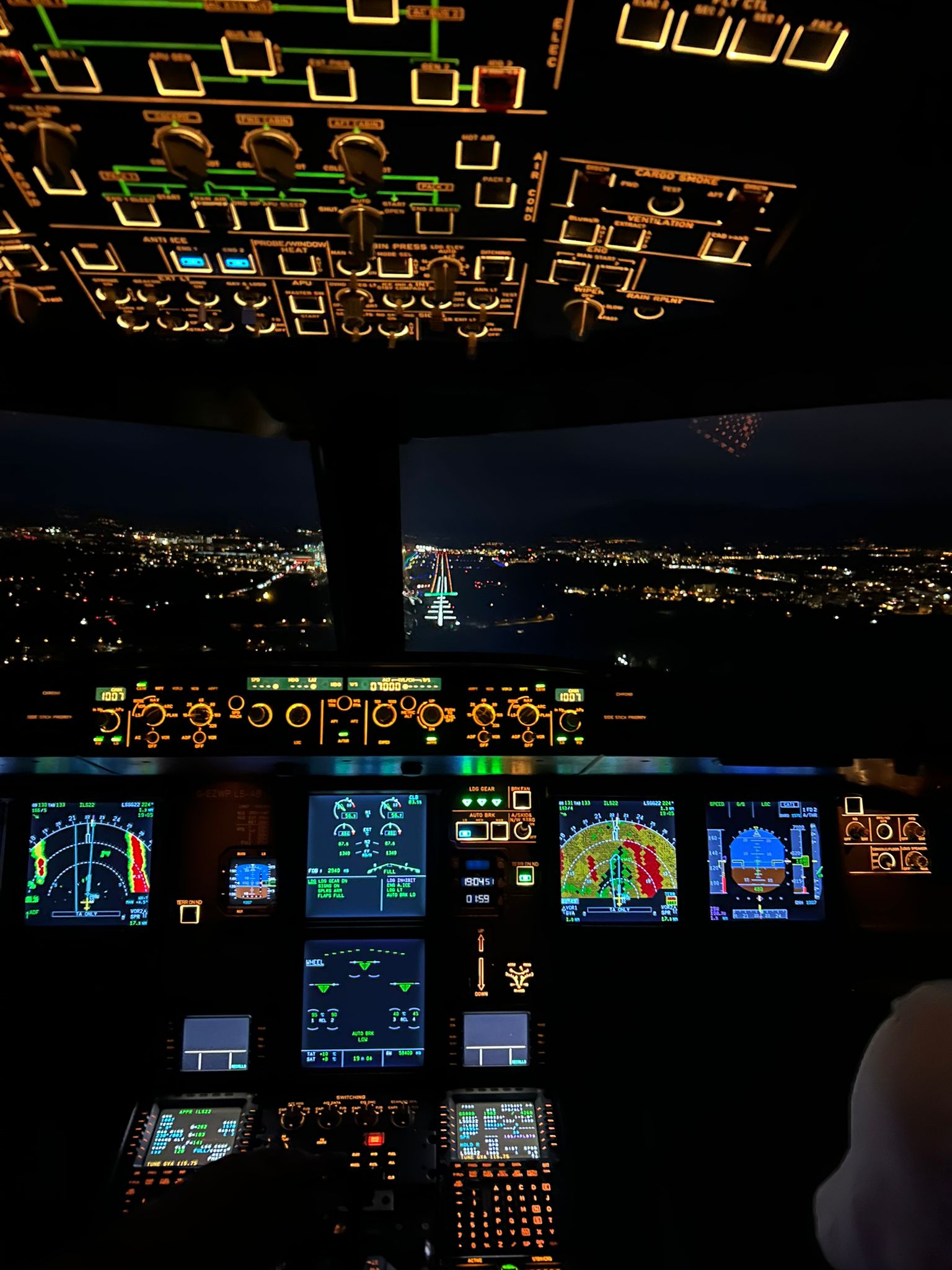
A squawk is the Mode A code your transponder replies with so ATC can see you. Mode C adds altitude so controllers (and TCAS/ACAS traffic) can sort conflicts in three dimensions.
Air traffic control is able to “see” all aircraft with their transponders on. This allows air traffic controllers to pass on conflicting traffic information. If your transponder is able to reply on Mode C (automatic altitude reporting), controllers can figure out more easily where potential conflicts could happen in the sky.
Source: Turn it on for safety: using transponders on aircraft. Transport Canada. Why turn the transponder on · ATC and TCAS visibility. Reviewed 2026-09-07. Open source
Must know
Canada does not publish a UK-style listening-squawk (FMC) card. Unless ATC assigns another code, use the VFR conspicuity codes Transport Canada lists.
In the absence of air traffic control instructions, adjust as follows: Visual flight rules (VFR) at or below 12,500 feet above sea level (ASL): Mode A, Code 1200, plus Mode C. VFR above 12,500 feet ASL: Mode A, Code 1400, plus Mode C.
Source: Turn it on for safety: using transponders on aircraft. Transport Canada. Default VFR / IFR conspicuity codes when ATC has not assigned another. Reviewed 2026-09-07. Open source
Tidbit
TCAS-equipped traffic can detect you when your transponder works. Altitude reporting helps them miss you vertically as well as laterally.
Source: Turn it on for safety: using transponders on aircraft. Transport Canada. TCAS detection paragraph. Reviewed 2026-09-07. Open source
Fun fact
A cold transponder is invisible kindness to nobody. Turn it on for safety is not a slogan. It is the title of the TC leaflet.
PLATE 05 · AT THE AIRCRAFT
Walk-round, fuel, performance
Must know
Adjust the transponder as ATC instructs. Know Mode C before you need the call “stop altitude squawk.”
Source: Turn it on for safety: using transponders on aircraft. Transport Canada. Adjust as ATC instructs · Mode C guidance. Reviewed 2026-09-07. Open source
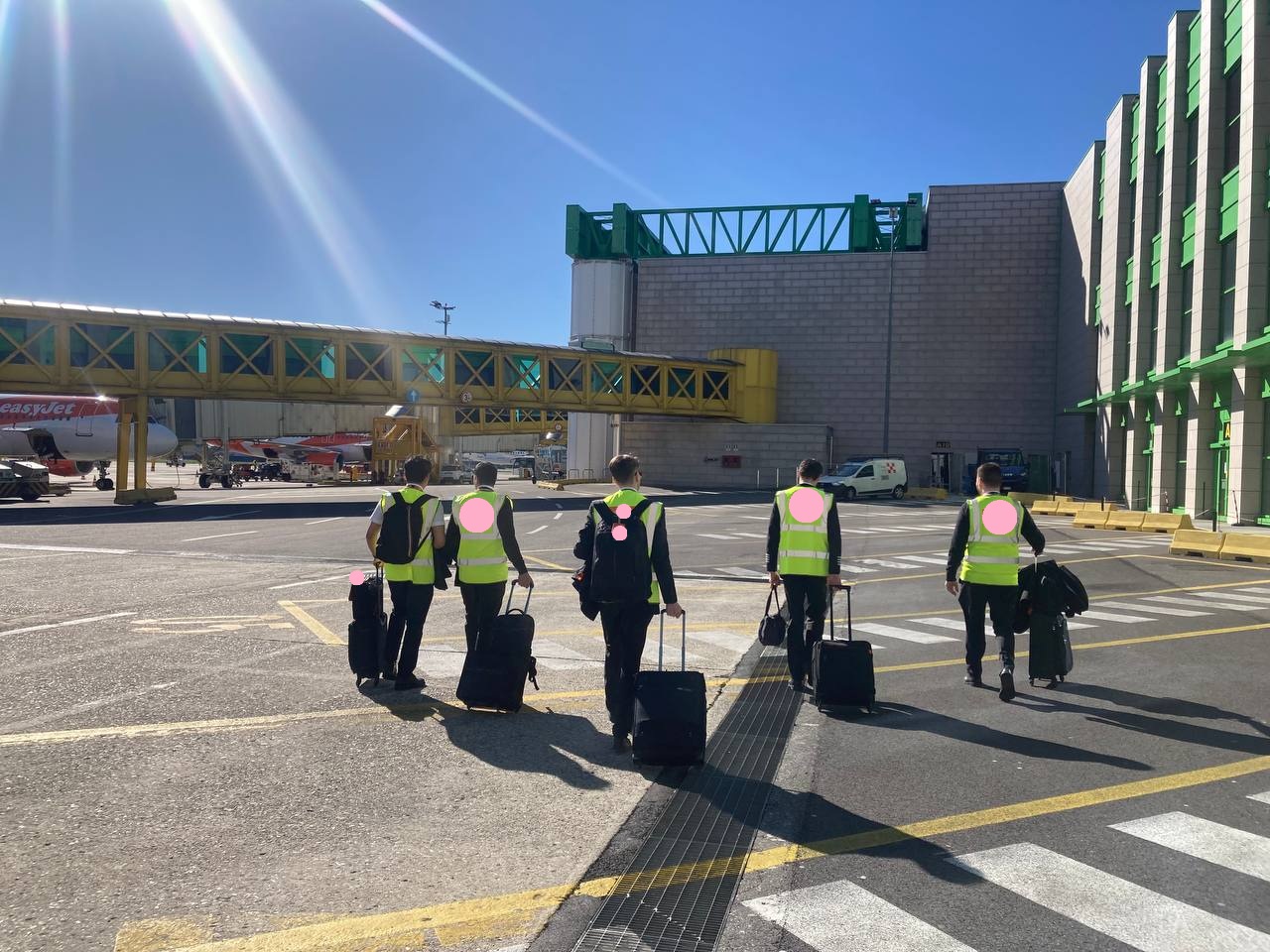
PLATE 06 · MONEY AND CLUB CRAFT
Train smart, stay current
Money saver
Share cross-country legs when club insurance allows. Pay for the sector you fly as PIC.
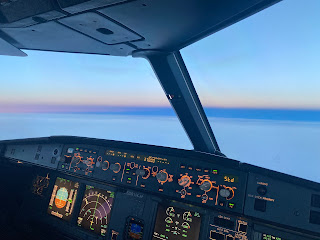
PLATE 07 · KEEP SHARP
Stay current, stay curious
Must know
Revisit Transport Canada GA best-practice pages and the TC AIM when procedures shift. Clubhouse memory ages faster than ice in April.
Source: Best practices for general aviation. Transport Canada. TC GA best practices index. Reviewed 2026-09-07. Open source